Chapter 01
The adventure begins: curiosity becomes a field routine.
When I was young, I grew up in a very small village in the southwest of France. After school, we still did not have much internet back then, so our fallback was going into the woods to make shelters and play with sticks.
My hobby for fieldcraft started with a late-night thought from one of my lifelong friends. We were nostalgic about childhood memories, and the idea came to mind that we should try to build a shelter like in the old days and spend the night in it.
This whole idea unfolded an unexpectedly deep rabbit hole that led us to try to survive the worst conditions we could think of. It became a way both to test ourselves and to enjoy, sometimes, the peace and quiet of the forest away from everything.
Chapter 02
Training in the French southwestern forests.
Southwestern France was an outstanding playground for us, with countless acres of pine forest bordering sand dunes and beaches, a mild climate, and mosquitoes as the most lethal animals around.
When we went out for our first bivouac, we were in middle school and the budget was very tight, so we bought old surplus gear and blue construction tarps for shelter. It did look more like a homeless camp at first, but with time and practice we got better gear and better technique, which allowed us to take on harder challenges.
We started going out under heavy thunderstorms and winter cold conditions, which was a perfect training setting. Slowly, we implemented longer and longer ruck marches and went out for longer periods of time to train land navigation and field discipline.
It was not only about the challenge though. Sometimes it was just a good excuse to grab some good food and have a good time with friends.
Chapter 03
Selected for advanced paramilitary field training.
As time passed, I wanted to up my game. Longer rucks and longer outings were not enough anymore, so I started looking for more specialized skills.
I first set out to understand more about advanced first aid in conflict zones, never wanting to set foot near one but curious enough to learn how things get done there. I had the chance to support different humanitarian and paramedical initiatives in Ukraine and made some good friends thanks to it.
Thanks to the project I backed up in Ukraine, I was invited to participate in a paramilitary training class focused on small unit tactics and reconnaissance techniques with various NATO personnel.
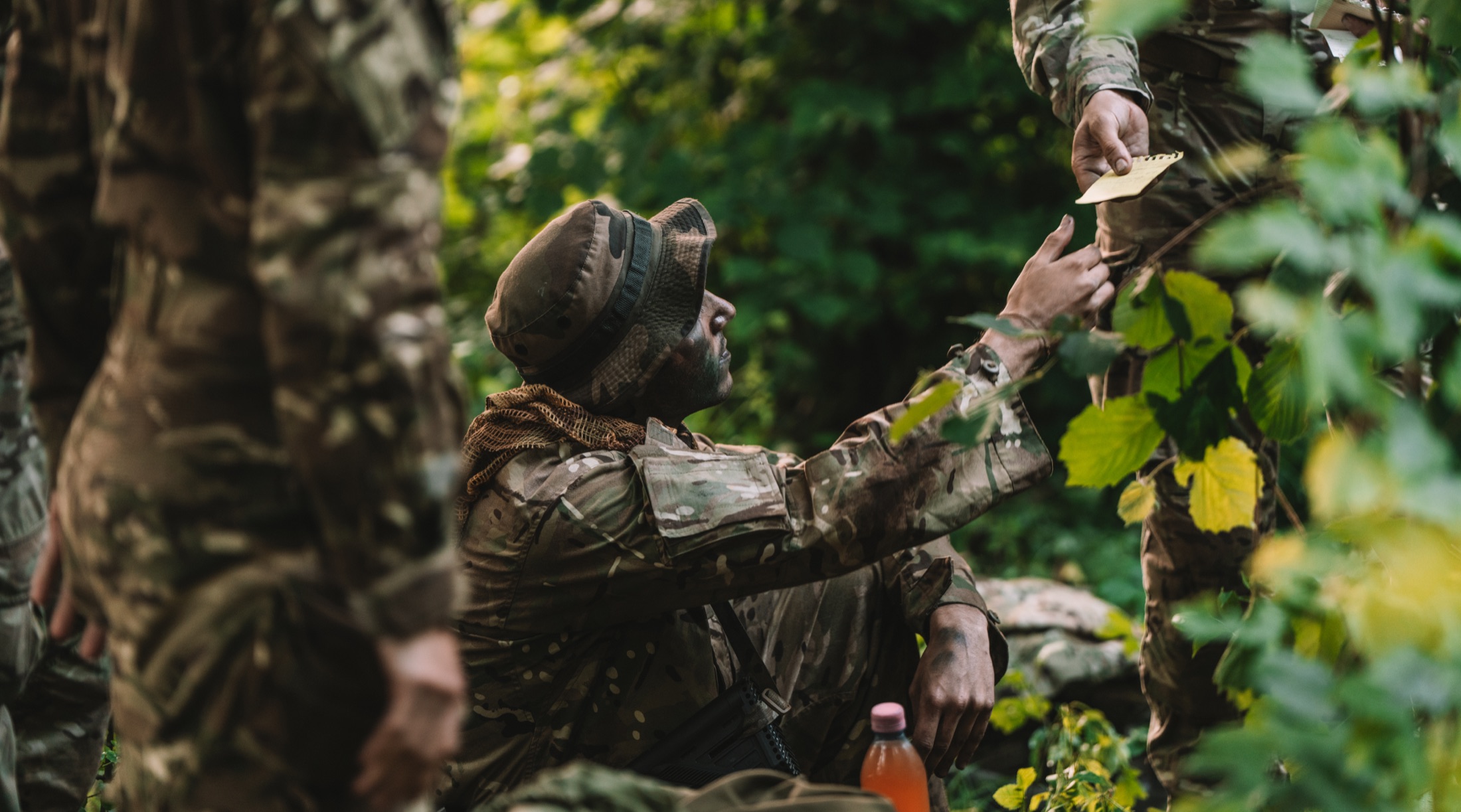
For three days, we underwent training drills and a live reconnaissance exercise on an active military base in central Europe. My squad was composed of two Italian Alpine Hunters and one Slovenian infantryman.
I was the youngest guy of the platoon by far and, surprisingly enough, my performance surprised our instructors. The years prior I spent practicing land navigation and rucking came in really handy. I personally led the platoon with my squad to the Objective Rally Point and scouted for suitable Observation Posts for the night.
It was really exhausting, but I was very happy I managed to finish the course in one piece. Fieldcraft turned out to be one of the most important experiences for my day-to-day life because it is where I learned discipline, fortitude, and resilience.